-
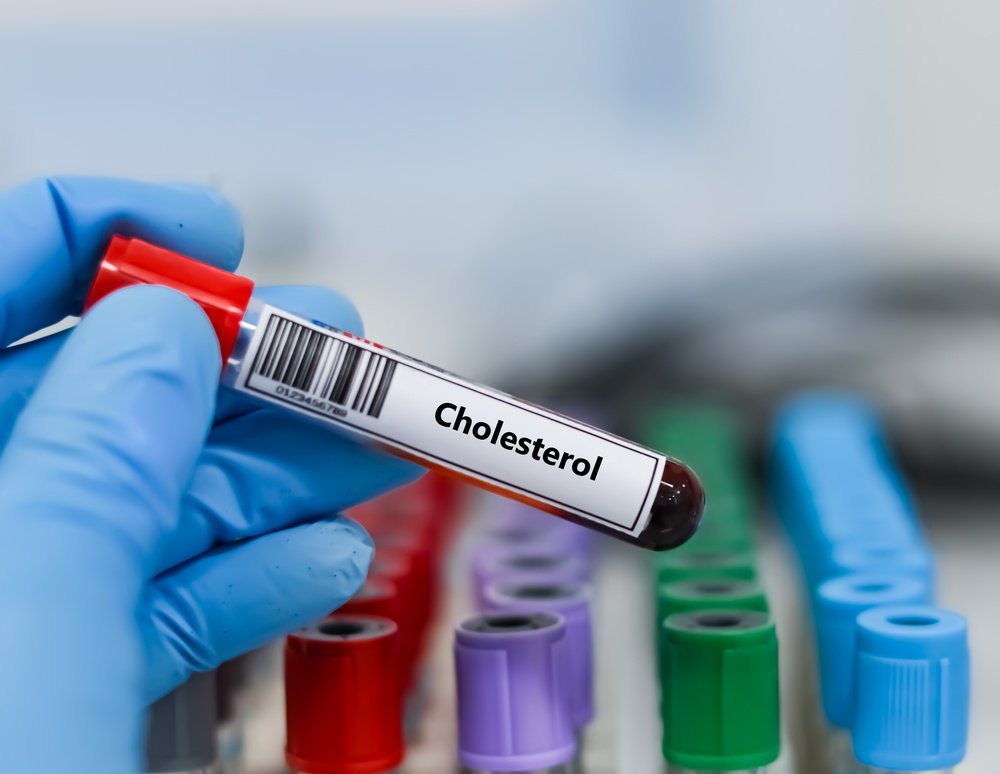
High Cholesterol and Heart Disease: What You Should Know
High cholesterol is a major risk factor for cardiovascular disease, yet it rarely causes noticeable symptoms. You may feel completely healthy while excess cholesterol contributes to plaque buildup inside your arteries. Over time, this process, known as atherosclerosis, can increase your risk of coronary artery disease, heart attack, and stroke. The good news is that…
-
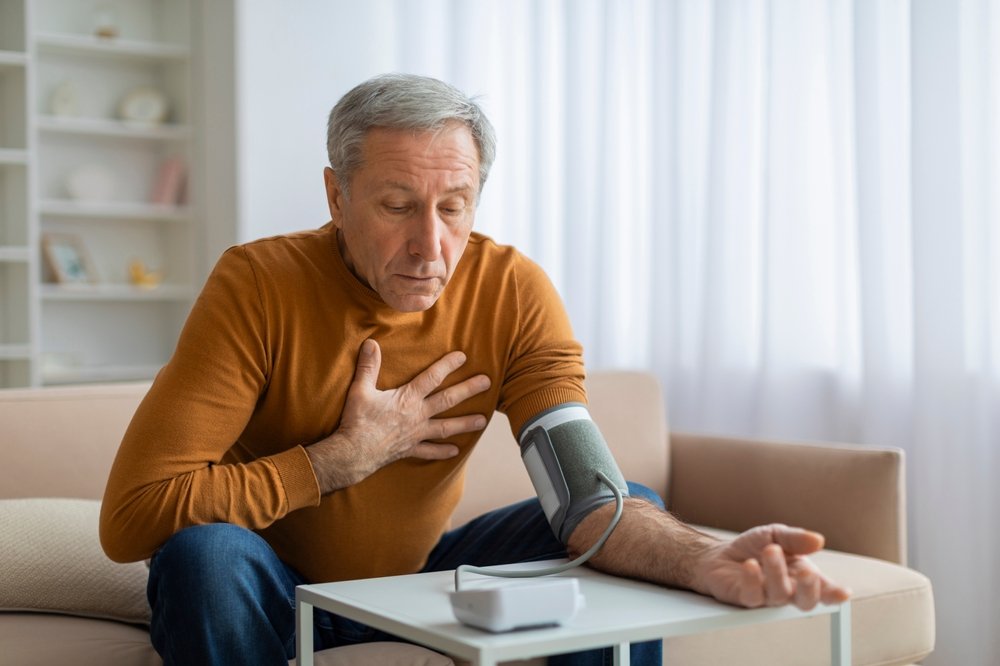
How High Blood Pressure Affects Your Heart
High blood pressure, also called hypertension, affects millions of people and is one of the most common risk factors for cardiovascular disease. Because high blood pressure often causes no noticeable symptoms, many people may not realize that it is gradually putting extra stress on their heart and blood vessels. When left untreated or poorly controlled,…
-

How to Keep Your Heart Healthy as You Age
Getting older does not mean heart problems are inevitable. Your risk of cardiovascular disease can increase with age, but many habits that support heart health remain within your control. Staying physically active, eating a balanced diet, managing blood pressure and cholesterol, avoiding tobacco, getting enough quality sleep, and keeping up with preventive care can all…
-

How Often Should You Have a Heart Health Checkup?
Your heart works continuously, supporting everything you do each day—from work and family responsibilities to exercise and everyday activities. But when was the last time you had your heart health checked? Many people don’t think about cardiovascular health until they develop noticeable symptoms. The problem is that conditions such as high blood pressure and coronary…
-

What Does a Cardiologist Do and When Should You See One?
Your heart works continuously, whether you’re having a busy day or simply relaxing at home. Most people don’t think much about their heart until something feels different. New symptoms, unusual test results, or certain health conditions may raise an important question: When should you see a cardiologist? A cardiologist is a medical doctor who specializes…
-

Healthy Diet for Seniors: To Support Cardiovascular Wellness
It is never too late to improve your diet specially Healthy Diet for Seniors. In fact, the importance of doing so grows as you age. A heart-healthy diet is something many older adults would like to implement, but it can seem like there are too many rules and restrictions. There are not. Following a heart-healthy…
-

Heart Risk Assessment: Why Early Detection Matters for Heart Health
Heart disease often seems like it comes on suddenly. Someone goes about their daily routine, perhaps working a full-time job while juggling kids, hobbies, and other responsibilities, and then, seemingly out of the blue, experiences chest pain, difficulty breathing, or even a heart attack. The truth is that heart disease often develops gradually, with many…
-
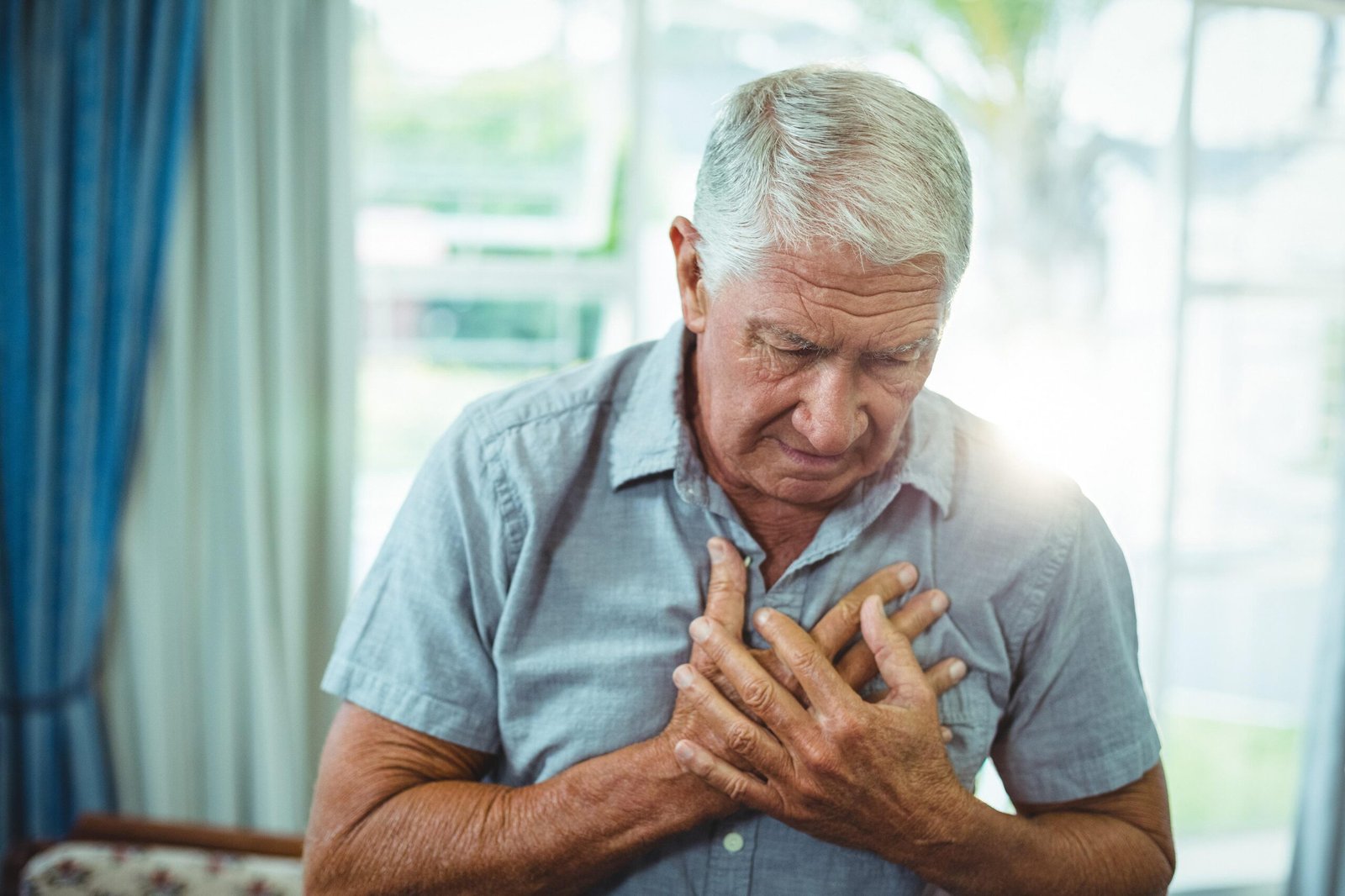
Heart Disease Prevention in Arizona: A Practical Guide to Protecting Your Heart
Heart disease doesn’t always appear suddenly. In many cases, cardiovascular risk develops gradually over years. High blood pressure, high cholesterol, diabetes, smoking, physical inactivity and other factors can contribute to cardiovascular disease. The good news is that many risk factors can be addressed through lifestyle changes, preventive care and appropriate medical treatment. This is particularly…
-

7 Warning Signs You Should See a Cardiologist in Arizona
Many people associate heart problems with sudden, severe chest pain. But cardiovascular conditions don’t always begin with dramatic symptoms. Sometimes the warning signs are subtle: becoming unusually tired while walking, experiencing unexplained shortness of breath or noticing a heartbeat that suddenly feels irregular. Knowing when to talk with a cardiologist can help you address potential…
-
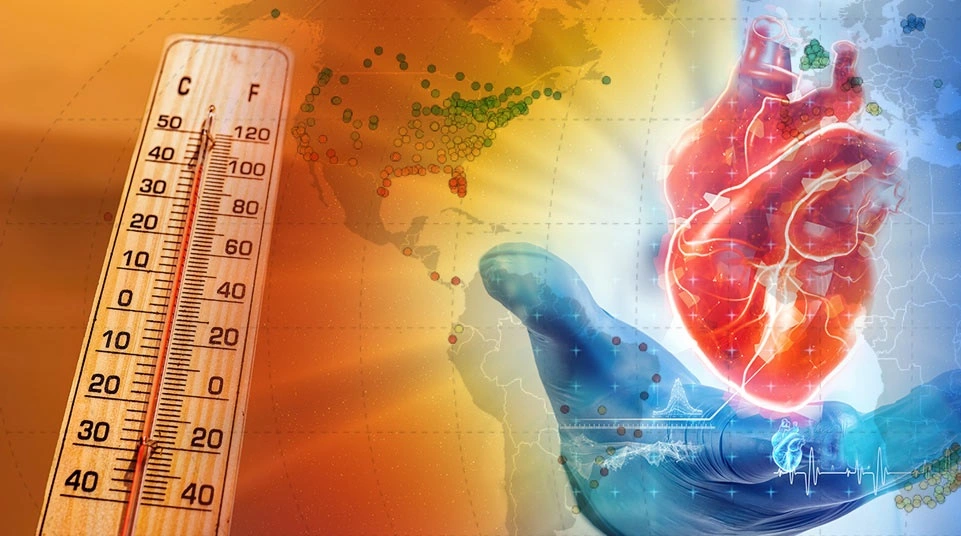
How Arizona’s Extreme Heat Can Affect Your Heart: Heart Health Tips for Phoenix Residents
Arizona is known for its sunshine, warm weather and long summer season. But when temperatures climb into the triple digits, the heat can do more than make you uncomfortable—it can place additional stress on your cardiovascular system. For people living with high blood pressure, heart disease, heart failure or other cardiovascular conditions, taking precautions during…