High Cholesterol and Heart Disease: What You Should Know
High cholesterol is a major risk factor for cardiovascular disease, yet it rarely causes noticeable symptoms. You may feel completely healthy while excess cholesterol contributes to plaque buildup inside your arteries. Over time, this process, known as atherosclerosis, can increase your risk of coronary artery disease, heart attack, and stroke. The good news is that understanding your cholesterol levels and taking steps to protect your heart can help reduce these risks. Whether you have recently received an abnormal cholesterol result or want to prevent future heart problems, learning about cholesterol, lifestyle changes, and available treatments is an important first step. For Phoenix residents and others throughout Arizona, routine cholesterol screening and preventive heart care can help identify potential risks before serious complications develop. This guide explains the relationship between high cholesterol and heart disease, common risk factors, healthy cholesterol levels, and practical ways to protect your cardiovascular health.
What Is Cholesterol?
Cholesterol is a waxy, fat-like substance that your body needs to function properly. Your liver produces most of the cholesterol your body requires, and you also obtain some from foods of animal origin. Cholesterol helps your body produce hormones, build cell membranes, and make substances needed for digestion. However, having too much cholesterol in your bloodstream can contribute to plaque buildup in your arteries. Because cholesterol does not dissolve easily in blood, it travels through the bloodstream in particles called lipoproteins. Two important types are low-density lipoprotein (LDL) and high-density lipoprotein (HDL). A lipid panel also measures triglycerides, another type of fat in your blood.
LDL Cholesterol: What It Means
Low-density lipoprotein (LDL) is commonly called “bad” cholesterol because elevated LDL levels can contribute to plaque buildup in artery walls. As plaque accumulates, arteries may become narrower and less flexible, restricting blood flow. If this affects the arteries supplying the heart, it can lead to coronary artery disease. If a plaque ruptures and triggers a blood clot, it may cause a heart attack or, depending on the location, an ischemic stroke. In general, lower LDL levels are associated with lower cardiovascular risk. However, the appropriate LDL target depends on your medical history, existing cardiovascular disease, diabetes, and other risk factors.
HDL Cholesterol: What It Means
High-density lipoprotein (HDL) is often called “good” cholesterol because it helps transport cholesterol away from tissues toward the liver for processing and removal. Low HDL levels are associated with increased cardiovascular risk. However, a high HDL level does not cancel out the risks associated with elevated LDL cholesterol. Your healthcare provider considers HDL alongside LDL, triglycerides, total cholesterol, and your overall cardiovascular risk rather than evaluating any single number in isolation.
How Triglycerides Affect Heart Health
Triglycerides are a type of fat that your body uses for energy. Extra calories, particularly from excess sugars and other energy sources, can be converted into triglycerides and stored in fat cells. Persistently elevated triglyceride levels may contribute to cardiovascular risk, particularly when accompanied by high LDL cholesterol, low HDL cholesterol, diabetes, or other metabolic concerns. Very high triglyceride levels can also increase the risk of pancreatitis, a potentially serious inflammation of the pancreas. A lipid panel helps your healthcare provider assess these numbers together and determine whether lifestyle changes, medication, or additional testing may be appropriate.
How High Cholesterol Increases the Risk of Heart Attacks and Strokes
High LDL cholesterol can contribute to atherosclerosis, a condition in which plaque builds up inside the arteries. Plaque contains cholesterol, fats, inflammatory cells, and other substances. As plaque develops, it can narrow the arteries and limit the amount of oxygen-rich blood reaching vital organs. In some cases, plaque can rupture and trigger a blood clot that suddenly blocks blood flow. The consequences depend on where the blockage occurs:
- Heart: Reduced blood flow can cause chest discomfort or coronary artery disease. A sudden blockage may cause a heart attack.
- Brain: A blocked artery supplying the brain can cause an ischemic stroke.
- Legs: Reduced circulation in the limbs can lead to peripheral artery disease, which may cause pain while walking and slow-healing wounds.
High cholesterol does not directly cause every cardiovascular condition, but it is an important, modifiable risk factor for atherosclerotic cardiovascular disease.
Cardiovascular Conditions Associated With High Cholesterol
Coronary Artery Disease
Coronary artery disease develops when the arteries supplying the heart become narrowed or blocked, often because of atherosclerosis. Some people experience chest pressure, discomfort, shortness of breath, or reduced exercise tolerance. Others may have no obvious symptoms until the disease becomes advanced or a heart attack occurs. Managing cholesterol, blood pressure, diabetes, and other risk factors can help reduce the likelihood of developing complications.
Heart Attack
A heart attack often occurs when a blood clot suddenly blocks blood flow through a coronary artery. The clot may form after a cholesterol-rich plaque ruptures. Warning signs can include:
- Pressure, squeezing, fullness, or pain in the chest
- Discomfort in one or both arms, the back, neck, jaw, or stomach
- Shortness of breath
- Cold sweats, nausea, or lightheadedness
Symptoms can vary, and not everyone experiences severe chest pain. If you suspect a heart attack, call 911 immediately. Do not wait for symptoms to improve.
Stroke
An ischemic stroke occurs when a blood clot or blockage interrupts blood flow to part of the brain. Atherosclerosis can contribute to this process. Remember the common stroke warning signs:
- Face: One side of the face droops.
- Arms: One arm becomes weak or difficult to raise.
- Speech: Speech becomes slurred or difficult to understand.
- Time: Call 911 immediately.
Sudden vision changes, loss of balance, confusion, or severe unexplained headache may also require emergency assessment.
Peripheral Artery Disease
Peripheral artery disease (PAD) occurs when narrowed arteries reduce blood flow to the limbs, particularly the legs. Atherosclerosis is a common cause. Symptoms may include leg pain or cramping during walking that improves with rest, cold feet, changes in skin color, or wounds that heal slowly. Some people have no noticeable symptoms. PAD is also a sign of increased cardiovascular risk, including the risk of heart attack and stroke.
What Causes High Cholesterol?
High cholesterol can result from a combination of lifestyle habits, genetics, age, and underlying health conditions. Understanding your risk factors can help you and your healthcare provider develop a prevention or treatment plan.
A Diet High in Saturated and Trans Fats
Eating too much saturated fat can raise LDL cholesterol in many people. Common sources include fatty cuts of meat, butter, full-fat dairy products, and certain baked or processed foods. Partially hydrogenated oils, which contain industrial trans fats, are another concern. Rather than eliminating all dietary fat, focus on replacing saturated fats with unsaturated fats found in foods such as olive oil, nuts, seeds, avocados, and fish.
Limited Physical Activity
Regular physical activity supports cardiovascular health and can improve triglyceride levels and other risk factors. A sedentary lifestyle may contribute to unhealthy cholesterol levels, excess weight, high blood pressure, and type 2 diabetes. Combining regular activity with a balanced diet can help improve your overall cardiovascular health.
Genetics and Family History
Genetics can affect how your body produces, processes, and removes cholesterol. Some people inherit familial hypercholesterolemia, a condition that can cause very high LDL cholesterol levels from an early age. If close relatives have high cholesterol or developed heart disease at a young age, discuss your family history with your healthcare provider. You may need earlier screening or more intensive cholesterol management.
Diabetes and Other Medical Conditions
Certain health conditions can make cholesterol management more difficult. These include:
- Type 2 diabetes
- Chronic kidney disease
- Hypothyroidism
- Some metabolic conditions
Certain medications may also affect lipid levels. If your cholesterol rises unexpectedly, your provider can evaluate whether an underlying condition or medication may be contributing.
Smoking and Tobacco Use
Smoking damages blood vessels and increases cardiovascular risk. It may also lower HDL cholesterol and contribute to processes that promote atherosclerosis. Quitting smoking is an important step toward protecting your heart, even if you have smoked for many years.
Age, Weight, and Other Risk Factors
Cholesterol levels and cardiovascular risk can change with age. Men and women may experience different patterns of risk, and LDL levels can rise in women after menopause. Excess body weight may contribute to high triglycerides, low HDL cholesterol, and other metabolic risk factors. High blood pressure also increases the strain on blood vessels and adds to overall cardiovascular risk. Having several risk factors together can increase your risk more than having just one.
What Are Healthy Cholesterol Levels?
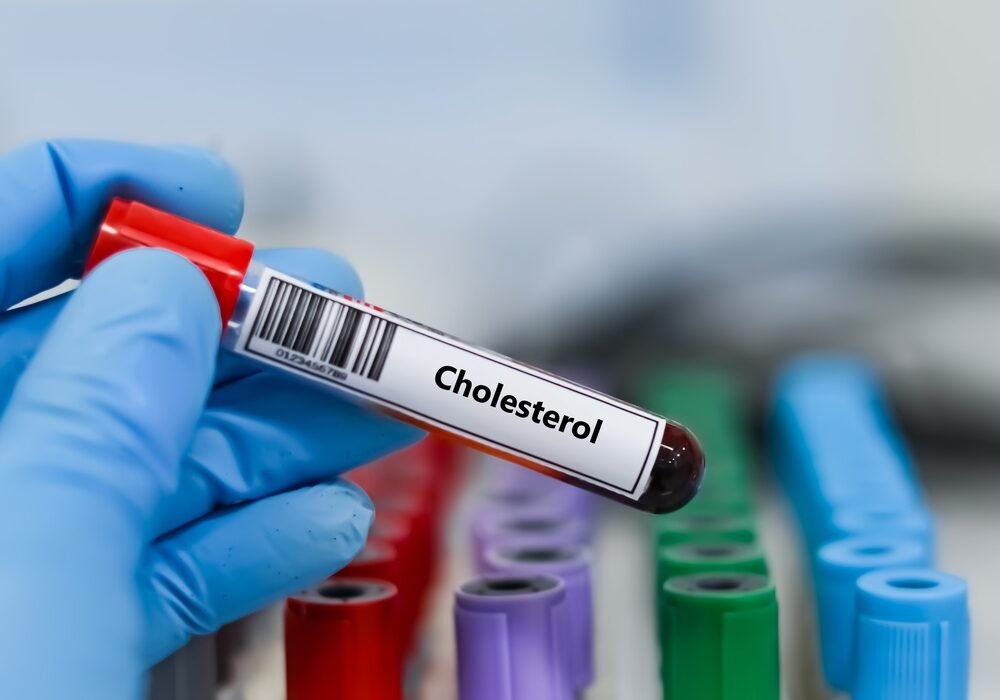
A blood test called a lipid panel measures several types of fats in your blood. These results help your healthcare provider assess your cardiovascular risk and determine whether treatment may be needed. The following table provides general reference points for adults.
| Measurement | General interpretation |
| Total cholesterol | Below 200 mg/dL is generally considered desirable |
| LDL cholesterol | The appropriate level depends on your cardiovascular risk and medical history |
| HDL cholesterol | Low levels are associated with increased cardiovascular risk |
| Triglycerides | Below 150 mg/dL is generally considered normal for adults |
These figures are general guidelines, not individualized treatment targets. For example, someone with existing cardiovascular disease or certain other risk factors may need a substantially lower LDL level than someone at lower risk. Your healthcare provider may also consider additional tests, such as lipoprotein(a), in selected cases, particularly when there is a strong family history of early cardiovascular disease. A single cholesterol result does not tell the whole story. Your age, blood pressure, smoking history, diabetes status, family history, and previous cardiovascular events all help determine your overall risk.
How Often Should You Get Your Cholesterol Checked?
The recommended frequency of cholesterol screening depends on your age, health history, previous results, and cardiovascular risk. Some healthy adults may need cholesterol testing only every few years, while people with diabetes, cardiovascular disease, a family history of high cholesterol, or previously abnormal results may need more frequent monitoring. Your healthcare provider can recommend a screening schedule based on your individual circumstances. If you begin cholesterol-lowering medication or make significant treatment changes, repeat testing may be recommended to assess your response. Regular screening is especially important because high cholesterol usually does not cause symptoms. You cannot reliably determine your cholesterol level by how you feel.
How to Lower Cholesterol and Protect Your Heart
For many people, heart-healthy lifestyle changes are an important part of cholesterol management. Others may need medication in addition to lifestyle changes, particularly if LDL cholesterol is very high or cardiovascular risk is elevated.
Choose Heart-Healthy Foods
A balanced eating pattern can help lower LDL cholesterol and support overall heart health. Consider these practical changes:
- Eat more soluble fiber: Oats, beans, lentils, apples, and other fiber-rich foods can help reduce LDL cholesterol.
- Choose whole grains: Brown rice, whole-wheat bread, and other whole grains provide fiber and nutrients.
- Eat more fruits and vegetables: Include a variety of colors and types throughout the day.
- Replace saturated fats with unsaturated fats: Use olive oil or other suitable unsaturated vegetable oils instead of butter when appropriate.
- Include nuts and seeds: These provide unsaturated fats and other beneficial nutrients.
- Choose fish and lean protein sources: Fish, legumes, and lean poultry can help replace foods higher in saturated fat.
- Limit highly processed foods: Reduce foods that contain substantial amounts of saturated fat, trans fat, added sugar, or excess calories.
You do not need to change everything at once. Small, consistent adjustments to everyday meals can make a meaningful difference over time. For Phoenix and other Arizona residents, simple options include oatmeal with fruit for breakfast, lentil or bean dishes for lunch, and vegetables with fish or other lean protein for dinner.
Exercise Regularly
Physical activity can help improve cardiovascular health, manage weight, reduce blood pressure, and support healthier triglyceride levels. For most adults, a useful general goal is at least 150 minutes of moderate-intensity aerobic activity per week, or 75 minutes of vigorous activity, along with muscle-strengthening activities at least twice weekly. Activities such as brisk walking, cycling, swimming, and dancing can help you build a routine that fits your schedule. If you have heart disease, significant mobility limitations, or other health concerns, consult your healthcare provider before beginning a new exercise program.
Exercising Safely in Phoenix
Arizona’s summer temperatures can make outdoor exercise challenging. Consider walking indoors, using a gym, swimming in an appropriate facility, or exercising during cooler morning hours. Drink enough water and follow local heat-safety guidance.
Maintain a Healthy Weight
If you have overweight or obesity, even modest weight loss may help improve triglycerides, blood pressure, blood sugar, and other cardiovascular risk factors. A sustainable approach usually combines balanced eating, regular activity, adequate sleep, and realistic goals. Your healthcare provider can help you identify a healthy weight-management plan without relying on extreme diets.
Quit Smoking
Stopping smoking can improve your cardiovascular health and reduce your risk of heart attack and stroke. If you use tobacco, ask your healthcare provider about counseling, medications, and other smoking-cessation resources. Avoiding secondhand smoke is also beneficial.
Prioritize Sleep and Stress Management
Most adults need approximately seven to nine hours of sleep each night. Consistent sleep habits can support overall health, including blood pressure and metabolic function. Stress-management strategies, such as meditation, relaxation exercises, and spending time with supportive friends and family, may help you maintain healthy routines. However, these strategies should complement—not replace—appropriate cholesterol treatment.
When Are Cholesterol-Lowering Medications Needed?
Lifestyle changes are important, but they are not always enough to bring cholesterol into an appropriate range. Medication may be recommended based on your LDL level, existing cardiovascular disease, diabetes, overall risk, and response to lifestyle changes.
Statins
Statins are commonly prescribed cholesterol-lowering medications. They reduce the liver’s production of cholesterol and help lower LDL levels. For many people at elevated cardiovascular risk, statins also reduce the likelihood of heart attack and stroke.
Other Cholesterol-Lowering Medications
Depending on your needs, your healthcare provider may consider other medications, including ezetimibe, PCSK9-targeting therapies, or bempedoic acid. Some people take these alongside a statin, while others may use an alternative because of side effects or other medical considerations. Treatment selection depends on your cholesterol results, cardiovascular risk, medical history, medication tolerance, and personal preferences. Do not stop or adjust prescribed medication without discussing it with your healthcare provider. If you experience side effects or have concerns about a medication, your provider may be able to adjust the dose or consider another option.
Why Personalized Heart Care Matters
High cholesterol is only one part of cardiovascular risk. Effective prevention and treatment often involve evaluating several factors together, including blood pressure, blood sugar, family history, smoking, kidney health, and existing heart or vascular disease. Your care plan may include:
- Regular cholesterol and blood pressure monitoring
- Dietary and physical activity recommendations
- Assessment and management of underlying health conditions
- Cholesterol-lowering medication when indicated
- Additional cardiovascular evaluation when symptoms or risk factors warrant it
Procedures such as cardiac surgery or cardioversion are not routine treatments for high cholesterol itself. They may be appropriate for certain separate heart conditions, depending on the diagnosis. A primary care clinician can often begin cholesterol screening and treatment. A cardiologist may be appropriate if you have established cardiovascular disease, complex risk factors, concerning symptoms, or difficulty reaching your treatment goals. For Phoenix residents, regular preventive care can help identify concerns early and provide an opportunity to discuss a personalized plan for protecting long-term heart health.
Frequently Asked Questions About High Cholesterol and Heart Disease
Can high cholesterol cause heart disease without symptoms?
Yes. High cholesterol usually has no noticeable symptoms, even when LDL levels are elevated. Over time, high LDL can contribute to atherosclerosis and increase the risk of heart attack and stroke. A blood test is needed to measure cholesterol levels.
What is the biggest warning sign of high cholesterol?
There is usually no warning sign. Many people feel completely normal despite having elevated cholesterol. Regular screening is the most reliable way to identify the condition.
Can high cholesterol be cured?
Many people can lower their cholesterol and reduce their cardiovascular risk through lifestyle changes and medication when needed. However, genetic conditions such as familial hypercholesterolemia may require lifelong treatment. Cholesterol can rise again if treatment is stopped or underlying risk factors change.
How quickly can lifestyle changes lower cholesterol?
The timeline varies depending on the person, the changes made, and the starting cholesterol levels. Your healthcare provider may recommend repeating a lipid panel after a period of treatment to determine how well the plan is working.
Are eggs bad for cholesterol?
Not necessarily. The effect of eggs on blood cholesterol varies between individuals and depends partly on the overall diet and personal risk factors. Foods high in saturated fat may have a greater effect on LDL for many people. If your cholesterol is elevated, discuss your dietary habits with your healthcare provider.
Can a physically active person with a healthy weight still have high cholesterol?
Yes. Genetics, age, medical conditions, and other factors can influence cholesterol levels even in people who exercise regularly and maintain a healthy weight. A healthy lifestyle reduces risk but does not eliminate the need for screening.
Should I see a cardiologist for high cholesterol?
Not everyone with high cholesterol needs a cardiologist. A primary care clinician can often assess your results and recommend treatment. A cardiologist may be helpful if you have established heart disease, particularly high cardiovascular risk, complex medical needs, or cholesterol that remains above your treatment target.
Can lowering cholesterol reduce the risk of a heart attack?
Yes. Lowering elevated LDL cholesterol can reduce the risk of cardiovascular events, including heart attack and ischemic stroke. The degree of benefit depends on your overall risk and how much your LDL level is reduced.
Protect Your Heart With Preventive Care
High cholesterol can increase the risk of heart disease without causing obvious symptoms. Understanding your lipid panel, recognizing your risk factors, and making sustainable lifestyle changes can help protect your cardiovascular health. If your cholesterol levels are elevated, talk with a qualified healthcare professional about your results and whether lifestyle changes, medication, or additional evaluation may be appropriate. With a personalized treatment plan and regular follow-up, many people can manage their cholesterol and reduce their risk of serious cardiovascular complications.